
Running a dental practice in Blue Ash or Montgomery is hard enough without your practice management software going down at 9 AM on a Monday. Whether you're on Dentrix, Eaglesoft, or OpenDental, a crashed workstation or a dead server doesn't just inconvenience your front desk — it stops your entire day. Patients sit in chairs, hygienists wait, and every minute costs real money.
Most general IT companies don't understand dental software. They'll remote in, poke around, and escalate to the vendor anyway — costing you hours you don't have. Dental practices need IT support that already knows how Dentrix stores its database, how Eaglesoft handles its image files, and why your panoramic X-ray machine won't talk to OpenDental after a Windows update.
The Real IT Challenges Dental Offices Face
Practice management software quirks. Dentrix, Eaglesoft, and OpenDental are not built with modern IT architecture in mind. They often require specific Windows versions, specific SQL configurations, and don't always play nicely with network changes. A Dentrix installation can break after something as routine as a Windows update or a new network switch if it's not handled correctly. Your IT team needs to test updates in a staging environment before pushing them — or at minimum, know how to roll back fast.
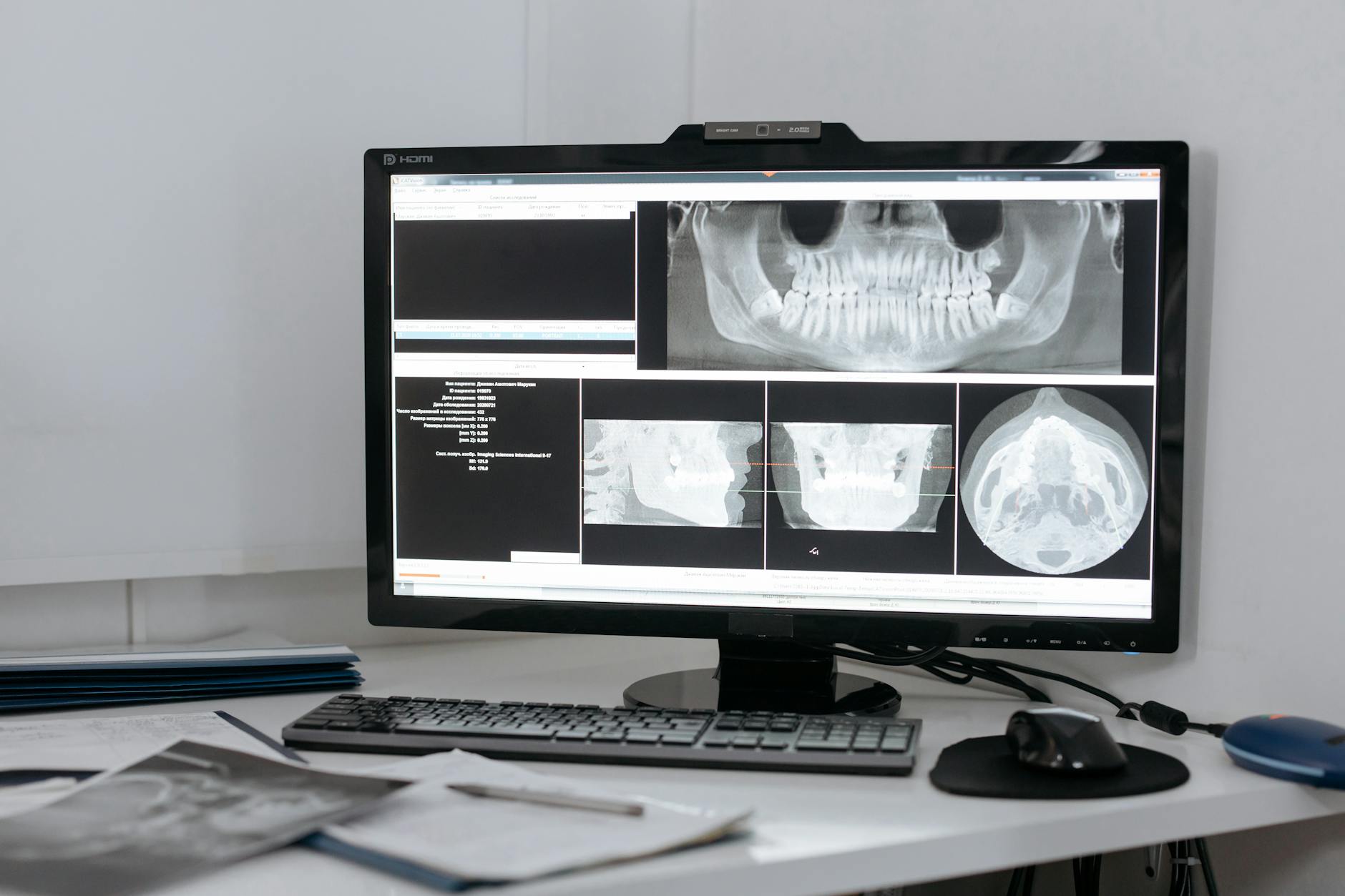
Digital imaging systems. The Carestream, Dexis, Planmeca, or Schick sensors your hygienists use every day are finicky. They communicate with workstations via proprietary bridges, and those bridges break. When a sensor stops working mid-appointment, you need someone who can troubleshoot the driver stack, not just reboot and hope. A good IT partner will maintain documentation on your exact imaging setup so the fix takes minutes, not hours.
HIPAA compliance. PHI — protected health information — flows through every workstation in a dental office. That means proper access controls, encrypted storage, audit logging, and a breach notification process. HIPAA isn't just about having a policy PDF on a shelf; it's about how your network is actually configured. Unencrypted patient records on a shared folder is a HIPAA violation waiting to happen. A managed IT provider with healthcare experience will structure your network to meet OCR requirements, not just check a box.
Backups that actually work. Many dental offices we encounter in the Blue Ash and Montgomery area have "backups" that haven't been tested in years — or weren't set up correctly to begin with. If your Dentrix database lives on a single server with no offsite backup, a fire, flood, or ransomware attack would be catastrophic. You need automated, verified backups that include your imaging system data, not just your practice management database.
What Good Dental IT Support Looks Like
A competent managed IT provider for your dental practice will do a few specific things that general IT shops don't:
- Coordinate with your software vendors. When Dentrix support tells you "it's a network issue," your IT team should already be on the call. You shouldn't be the middleman between two technical teams who won't talk to each other.
- Maintain a documented environment. Every server, workstation, sensor, camera, and cable should be documented. When something breaks, diagnosis shouldn't start from scratch.
- Handle server patching carefully. Windows updates can break practice management software. Your IT team should test updates before they go live, or at least have a rollback plan for critical patches.
- Monitor proactively. You shouldn't hear about a failing hard drive from a patient who watched your front desk computer crash. Proactive monitoring catches hardware failures before they happen.
Specific Considerations by Software
Dentrix (Henry Schein): Typically runs on a SQL Server backend. Your IT provider should know how to manage SQL Server maintenance plans, verify that Dentrix Communicator is working for appointment reminders, and handle the nuances of Dentrix eServices integrations. The Dentrix server should have its own dedicated backup job separate from file-level backups.
Eaglesoft (Patterson Dental): Uses a Sybase database and has a specific network share structure that needs to be maintained correctly. Moving to a new server or changing network topology without understanding Eaglesoft's path dependencies will break the software. Patterson's tech support will help, but they expect your network to be properly configured first.
OpenDental: Open source and more flexible, but that flexibility comes with responsibility. There's no vendor support line if your MySQL database gets corrupted — your IT team needs to own that. OpenDental's web-based features also require proper SSL configuration if you're exposing any services externally.
Why Blue Ash and Montgomery Practices Trust Local IT Providers
There's something to be said for having an IT partner who can be on-site within an hour. Blue Ash and Montgomery are dense with dental practices — from the offices along Reed Hartman Highway to the practices off Montgomery Road. When a server goes down the morning before a full schedule, you don't want to wait for a technician driving in from Columbus. You want someone local who knows your setup and can be there fast.
Titan Tech is based in Cincinnati and services dental practices throughout the Blue Ash, Montgomery, Kenwood, and Hyde Park corridors. We've worked with practices running Dentrix, Eaglesoft, and OpenDental — and we maintain specific runbooks for each environment we manage. When something breaks, we don't start from square one.
If you're currently using a break-fix IT company or managing IT yourself, the question isn't whether something will eventually go wrong — it's whether you'll have a plan when it does. Our managed services are built around uptime, compliance, and making sure your clinical tools work the way they're supposed to, every day.
Ready to talk about what your practice actually needs? Reach out to Titan Tech — we'll do a quick assessment of your current setup and tell you honestly where your risks are.