
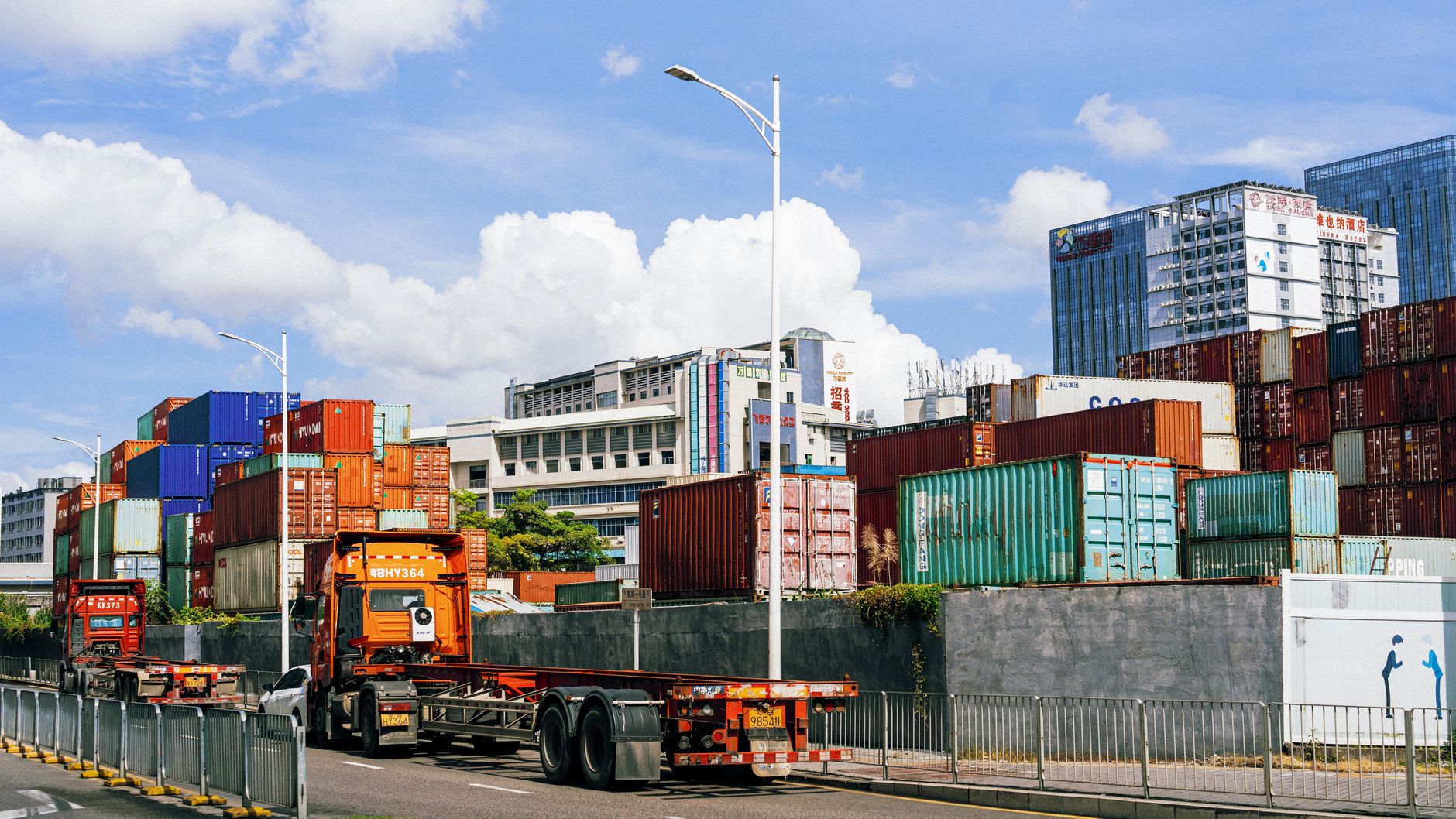
At a Florence distribution operation, dispatch is not one application. It is a chain of internet service, identity, workstations, warehouse wireless, scanners, printers, phones, and a transportation or fleet-management platform. Florence logistics IT can look healthy while one untested dependency is capable of stopping the entire shift. A carrier may have spare tractors, drivers, and dock capacity, yet still lose the ability to assign loads or answer shipper calls because a firewall, circuit, or authentication service failed.
Dispatch continuity depends on the whole chain
A transportation management system may be hosted in the cloud, but the work around it is local. Rate confirmations arrive through Microsoft 365. Labels and bills of lading depend on printers and file shares. Drivers call a VoIP queue. Dock staff use handheld scanners over Wi-Fi. Customer service needs the same identity provider as dispatch. When any of those components fails, the symptom is usually reported as “the TMS is down,” even when the TMS itself is available.
That distinction matters in Florence, where operators serving the I-71/75 corridor and the CVG freight market run against appointment windows, driver hours, and detention charges. A 90-minute outage is not merely an IT inconvenience. It can miss a dock slot, strand a driver, delay proof-of-delivery processing, and force staff to reconstruct changes made by phone or text.
Failover often exists only on the network diagram
Many carriers pay for a secondary internet circuit but have never watched production traffic fail over to it. The backup circuit may use the same physical path as the primary connection. The firewall may switch successfully while DNS, VPN, static-IP allowlists, or VoIP registration do not. Bandwidth that is adequate for email may collapse when warehouse devices, cloud cameras, and dispatch traffic move onto it at once.
The useful test is deliberately operational. During a controlled maintenance window, disconnect the primary circuit and have a dispatcher sign in from a clean session, accept a load update, print a document, place and receive a VoIP call, and reach a shared file. Confirm that scanners remain connected and that remote users can still reach approved systems. Record the failover time, every manual step, and the vendor escalation path. A green firewall status light is not evidence that dispatch can function.
A database backup is not a dispatch recovery plan
Cloud software does not eliminate the need to protect the surrounding workflow. Shipment exports, scanned delivery documents, integration credentials, local report templates, accounting handoffs, and Microsoft 365 data may sit outside the core fleet platform. Recovery also depends on knowing which systems must return first. Restoring a file server before identity, networking, and printing may produce a technically successful recovery that operations still cannot use.
A practical backup and disaster recovery exercise starts with a replacement workstation and a written outage scenario. The team should prove that a dispatcher can authenticate, reach the fleet system, recover current documents, print, and communicate with drivers. Veeam can protect servers and critical workloads, but its value is established by a timed restore of the dispatch workflow—not by a successful overnight job alone.
Segment the dock without making it fragile
Flat warehouse networks turn ordinary device trouble into operational risk. Guest phones, security cameras, access-control panels, label printers, office PCs, and handheld scanners should not share unrestricted access. Segmentation limits the path available to ransomware and reduces the chance that a noisy camera or unmanaged device disrupts dispatch traffic. SentinelOne EDR, Huntress MDR, and SIEM monitoring add endpoint and event visibility, but they do not replace sound network boundaries.
Segmentation has to match the physical operation. Separate VLANs and wireless networks should be paired with a coverage survey, documented switch ports, tested scanner roaming, and structured cabling that can be traced quickly. A managed cybersecurity program should also account for the exceptions common in logistics: vendor support access, shared dock devices, after-hours dispatch, and third-party integrations that cannot simply be blocked.
Continuity needs an owner, not just equipment
The strongest logistics environments assign ownership for the entire dependency chain. Someone monitors both circuits, reviews firewall and SIEM alerts, maintains carrier and software-vendor contacts, tests Microsoft 365 Conditional Access, and keeps the outage playbook current. The plan identifies who can authorize manual dispatch, how drivers receive updates, where current contact lists are stored, and how transactions are reconciled when systems return.
That is the practical role of managed IT services: not merely keeping devices online, but measuring whether the operation can continue when a dependency fails. For Florence carriers, the right benchmark is simple—dispatch can still move freight, communicate, and preserve an accurate record while the primary path is unavailable.
If your Florence logistics operation has redundant equipment but has never run a dispatch-level outage test, contact Titan Tech to map the dependencies and test the recovery path under controlled conditions.