
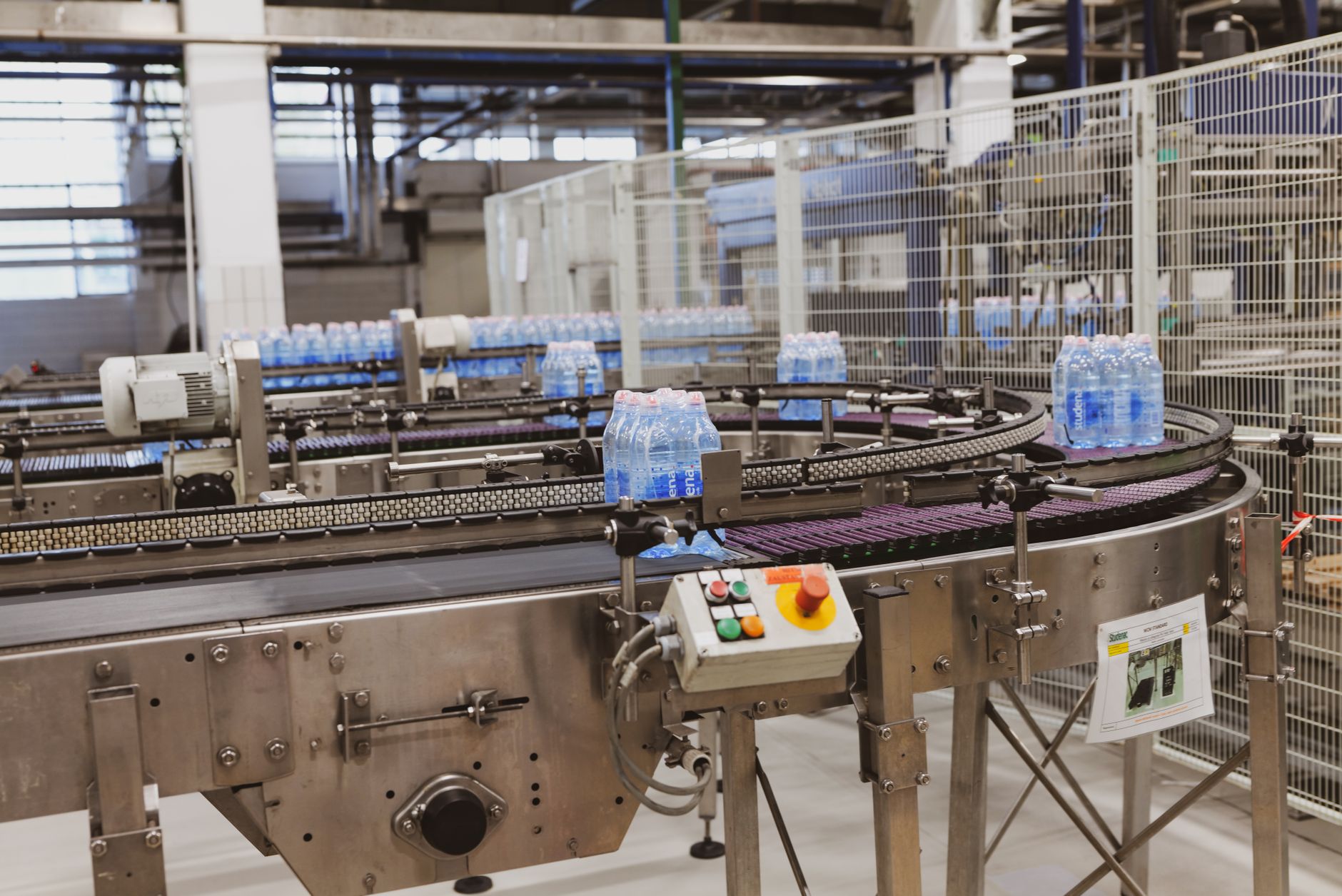
Production outages rarely begin with the server. They begin when a handheld scanner drops its connection, a label printer stops receiving jobs, or a packaging workstation can no longer reach the production database. In Liberty Township food and beverage IT, these small failures become operational failures quickly: lots cannot be released, pallets cannot be identified, shipping loses confidence in inventory, and supervisors fall back to paper. The real weakness is usually not one device. It is the lack of visibility across the full production workflow.
The failure sits between systems
A typical line depends on more infrastructure than the production team sees. Orders may originate in an ERP system, move to a scheduling application, pass through scales or production terminals, and finish at barcode scanners and thermal label printers. Wireless access points, network switches, Windows services, print queues, power protection, and database connections all sit in the middle. Each component may appear healthy by itself while the workflow is already broken.
This is why basic “server up, internet up” monitoring is inadequate. A switch can respond while one damaged cable negotiates at the wrong speed. An access point can remain online while steel racks, refrigeration equipment, or a new production cell creates a dead zone. A print server can be running while a driver, queue, or licensing service blocks every outbound label. Operations experiences one outage; IT receives several unrelated symptoms.
Map the production path, not just the asset list
The useful starting point is a dependency map built around actual work. Follow one order from entry through production, lot capture, labeling, inventory update, quality release, and shipment. Record every system, network segment, device type, integration, and responsible owner involved. Then define how long each step can be unavailable before product must be held or labor must stop.
That map changes infrastructure priorities. A wireless survey should be performed while the facility is operating, with doors, racks, machinery, and normal RF interference present. Coverage should be validated where scanners are actually used, not from an empty-floor drawing. Proper wireless networking design also separates production devices, office users, guests, cameras, and building systems into controlled network segments. A scanner should reach the services it needs without having unrestricted access to the accounting network.
Monitoring must also move closer to the workflow. Managed IT teams should collect switch-port errors, access-point health, DHCP failures, UPS status, print-queue conditions, and critical Windows service states. Alerts need an owner and an escalation path tied to production impact. A warning about rising packet loss on the packaging line is actionable before the afternoon shipping cutoff; a generic device-down ticket after the line stops is not.
Contain failures before they cross the plant
Production networks often accumulate exceptions: an old workstation that cannot be patched, a vendor appliance with fixed credentials, or a controller that requires a legacy protocol. Those constraints do not justify a flat network. They make segmentation and monitoring more important. SentinelOne EDR can protect supported Windows endpoints, Huntress MDR can provide human review and escalation, and SIEM monitoring can correlate identity, firewall, and endpoint events. A practical managed cybersecurity design isolates legacy equipment while keeping suspicious activity visible.
Identity controls matter as well. Production supervisors, quality staff, and vendors frequently share access to Microsoft 365, remote support tools, and cloud portals. Separate accounts, multifactor authentication, Conditional Access, and time-limited vendor access reduce the chance that a stolen mailbox or abandoned contractor credential becomes an entry point. Supplier payment changes should be verified outside email, particularly when procurement and accounts payable support multiple facilities.
Recovery has to restore the workflow
A successful backup job is not evidence that production can recover. Recovery testing must include the application database, label templates, printer configurations, licensing services, integration credentials, and any file paths used by quality or traceability systems. Veeam can provide strong backup and replication, but the operating standard should be a timed, documented test through the complete workflow. That is the difference between having backup and disaster recovery technology and having a credible recovery plan.
Run a tabletop exercise around a realistic failure: the production database is encrypted at 10:15 a.m., the current lot is incomplete, and the shipping queue closes in four hours. Determine who stops the line, how material is identified, where manual lot records are stored, which systems are restored first, and how data entered during the outage is reconciled. For operations subject to customer traceability requirements or FSMA recordkeeping, that reconciliation step is as important as restoring the server.
Infrastructure decisions should follow production risk
Plants often add a camera, access-control panel, packaging station, or wireless bridge as an isolated project. Over time, undocumented switches and improvised cabling become part of the production path. Structured cabling, labeled network closets, managed power, spare critical components, and documented switch configurations are not cosmetic improvements. They shorten diagnosis and prevent a minor change from causing a shift-wide outage.
Titan Tech can assess the full production path—from wireless and switching through endpoint security, Microsoft 365 identity, and tested recovery—and turn recurring line-side symptoms into an actionable infrastructure plan. Contact Titan Tech to schedule a production IT risk review for your Liberty Township facility.