
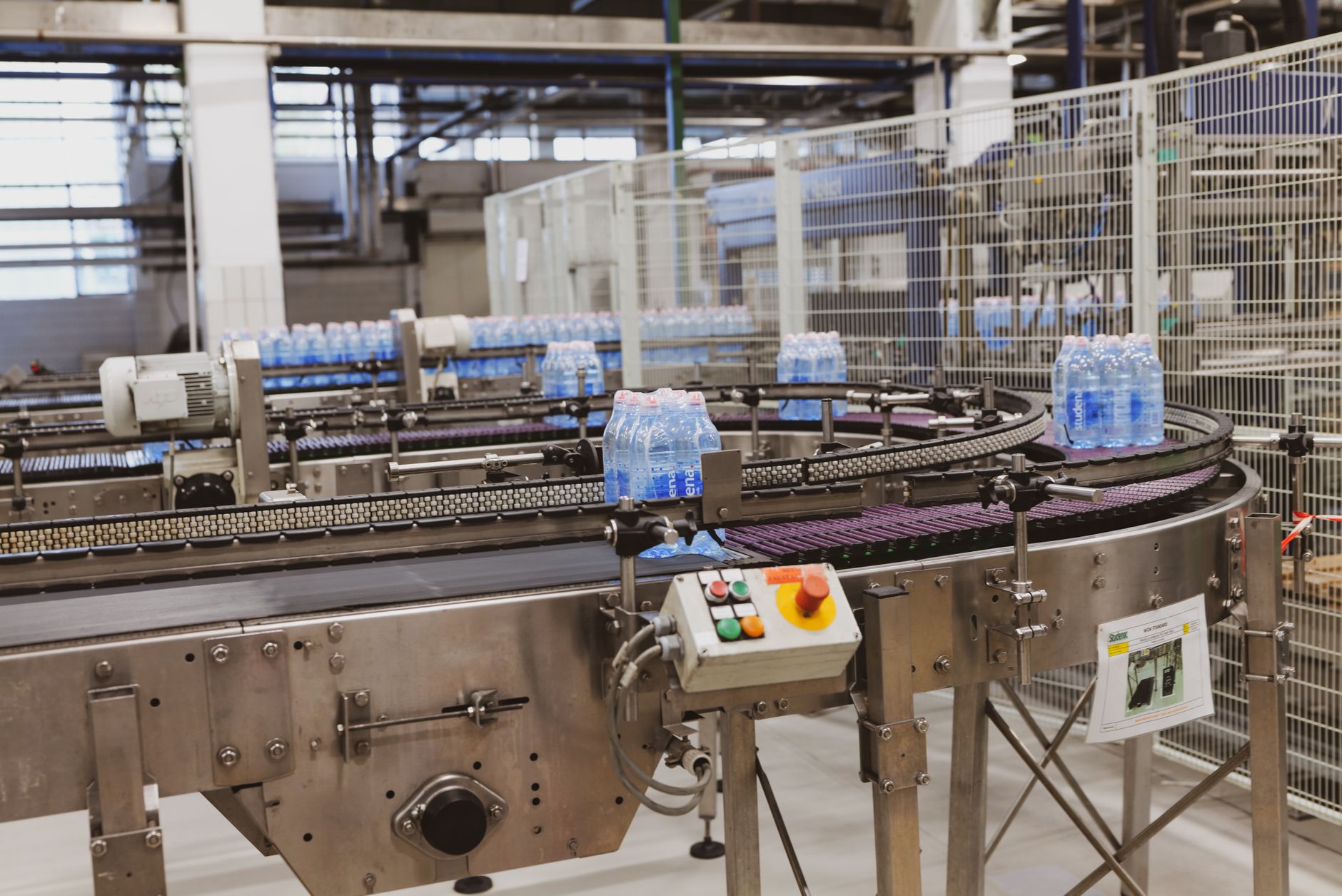
Fairfield food and beverage IT often has a quiet single point of failure sitting beside the packaging line: the workstation that prints lot codes, allergen statements, case labels, and shipping identifiers. When that station loses its database connection, printer mapping, licensing, or network path, production may continue for a few minutes—but finished goods cannot be released with confidence. The outage becomes an operations problem, a traceability problem, and eventually a customer-service problem.
The label is the end of a longer dependency chain
A labeling station rarely operates alone. It may pull item data from an ERP or production database, receive batch information from scales or line controls, authenticate through Microsoft 365 or local directory services, and send jobs across an industrial wireless network to thermal printers. Some plants also rely on shared folders, middleware, or an aging SQL instance that nobody considers part of the line until it stops.
That chain needs to be documented as a production workflow, not merely inventoried as a PC and a printer. The useful question is not, “Is the workstation backed up?” It is, “What systems must be available, in what order, to produce an accurate label and release a pallet?” A practical dependency map should identify the data source, authentication method, print server, printer model and firmware, network segment, templates, licensing service, and the employee who can validate output after recovery.
Shared logins erase accountability
Packaging areas commonly use a generic operator account because shifts rotate and speed matters. That convenience makes troubleshooting and security harder. If a template changes, a label is reprinted, or an export is copied to removable media, the audit trail may point only to “Line 2.” It also means the same credentials can remain active through staffing changes and vendor service visits.
Individual operator identities do not have to slow production. Badge sign-in, short PIN workflows, role-based permissions, and fast account provisioning can preserve attribution without turning every label run into a help-desk event. Privileged template changes should be separated from normal printing, and vendor access should be named, time-limited, and disabled when service work ends.
Network design decides whether one fault becomes a plant outage
Labeling equipment is often connected wherever a port or wireless signal is available. Over time, production workstations, office devices, cameras, guest wireless, building controls, and printers can end up sharing more access than intended. A compromised office endpoint or misconfigured switch should not be able to interrupt packaging across the plant.
Function-based segmentation creates cleaner boundaries between business systems, production devices, security systems, and guest access. It also makes monitoring more useful because traffic between zones can be reviewed instead of disappearing inside one flat network. Reliable wireless networking matters as well: coverage testing should be performed around stainless equipment, coolers, pallet racks, and moving inventory, not from an empty conference room.
Endpoint protection must fit the production workflow
Production workstations still need security controls, but they cannot be managed exactly like office laptops. Scans, reboots, software updates, and isolation actions must account for shift schedules and line dependencies. SentinelOne EDR and Huntress MDR can provide endpoint visibility, while SIEM correlation helps connect a workstation alert with Microsoft 365 identity activity, firewall events, or vendor remote-access sessions.
The important operating detail is ownership. Someone must know who reviews an alert, who can isolate a device, and how the line keeps running if isolation is necessary. A mature managed cybersecurity program records those decisions before an incident instead of negotiating them during one.
Recovery has to end with a verified label
A successful server restore is not the same as a restored packaging process. Veeam may recover the virtual machine and database, but the plant still needs templates, printer queues, drivers, licensing, network routes, and current product data. The recovery test should end with an operator printing a sample label, scanning it, confirming the lot and allergen data, and documenting who approved the result.
That is the difference between backup administration and operational recovery. A useful backup and disaster recovery plan defines recovery order, keeps protected copies separate from production credentials, and tests the entire workflow during a controlled maintenance window. It should also include replacement workstation specifications and exported printer configurations so a failed device does not require improvisation.
Treat labeling as production infrastructure
For Fairfield processors, co-packers, bakeries, beverage operations, and specialty food manufacturers, labeling is not a peripheral office function. It is part of the control system that turns produced goods into shippable goods. The right standard is straightforward: named access, segmented networks, monitored endpoints, documented dependencies, and a recovery test that produces a verified label.
If your packaging line depends on a workstation nobody can confidently rebuild, contact Titan Tech to map the workflow and close the gap before the next production interruption.