
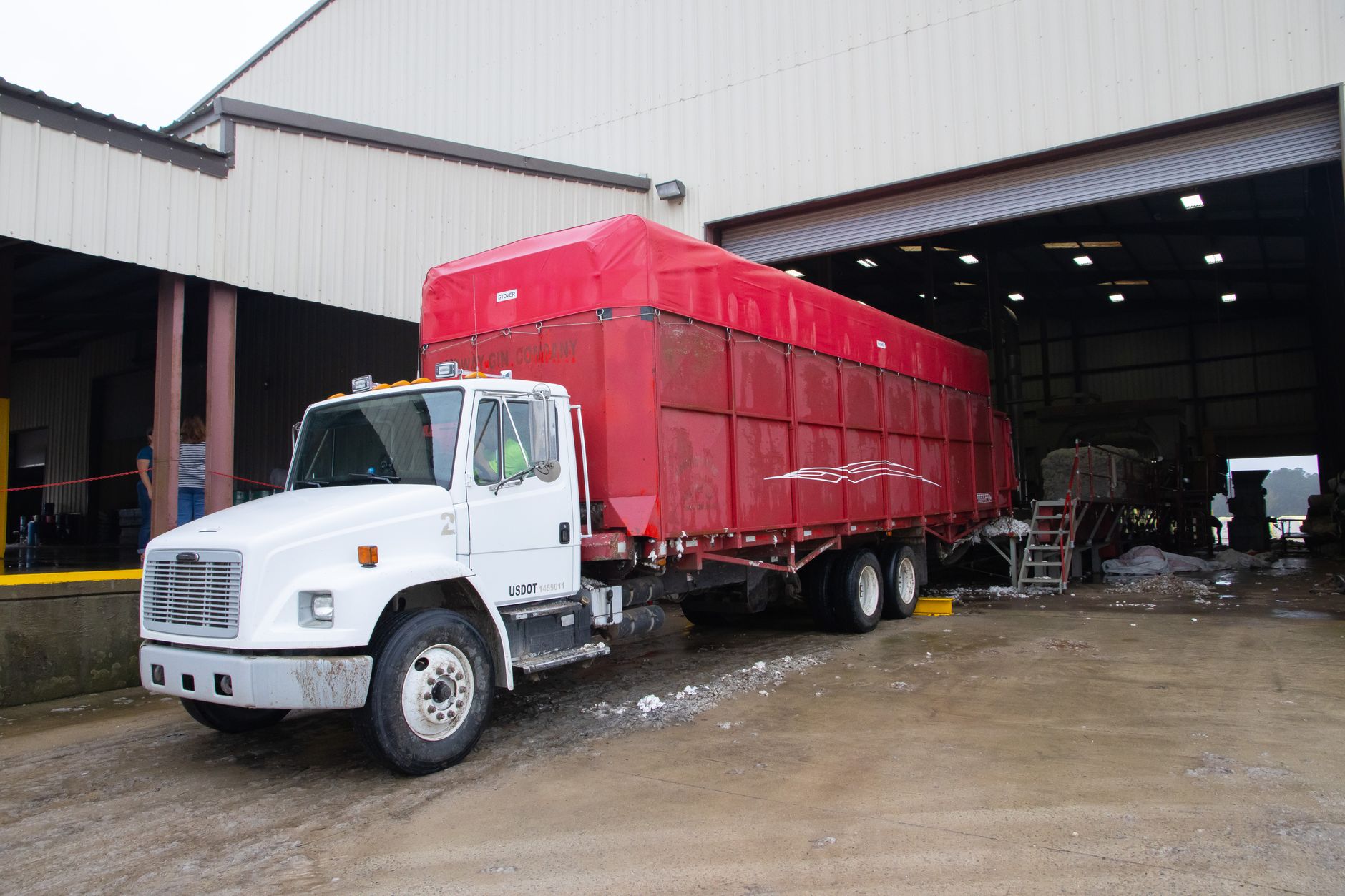
A gate transaction can look routine while exposing four different control failures. A driver is admitted with a borrowed code, dispatch changes a trailer assignment in the transportation management system, a handheld scanner drops off weak Wi-Fi, and the camera covering the lane cannot produce usable footage. Mason logistics cybersecurity depends on treating that sequence as one operational workflow—not as separate IT, security, and facilities issues.
The yard gate is where digital identity meets physical custody. When those systems are managed independently, no one can reliably answer who entered, which trailer moved, who changed the load record, or whether the event was legitimate. That ambiguity is costly during a theft investigation, customer dispute, ransomware incident, or insurance review.
The transaction crosses more systems than the gate
A typical arrival may touch a transportation or fleet management platform, Microsoft 365 email, a driver check-in tablet, barcode scanners, wireless access points, VoIP, surveillance cameras, and an access-control panel. The work may also depend on label printers, shared folders, and a shipper portal. If one component fails, employees often create a manual workaround that is faster than the approved process but much harder to audit.
That is why an infrastructure review should follow the actual movement of a truck rather than start with an equipment inventory. Document who authorizes an arrival, how identity is confirmed, where appointment and seal data are stored, which device updates the TMS, and what happens when internet service or wireless coverage fails. This workflow map reveals dependencies that a basic firewall review will miss.
Shared credentials turn exceptions into blind spots
Gatehouses and dispatch desks are prone to shared logins because shifts overlap and speed matters. But a common Microsoft 365 account or generic TMS credential destroys attribution. Former employees, temporary staff, carriers, and third-party maintenance vendors can also retain access after their operational need ends.
Individual accounts, multifactor authentication, and role-based permissions should be the baseline. Microsoft 365 Conditional Access can restrict risky sign-ins and unmanaged devices, while a documented onboarding and offboarding process ties access to a named owner and expiration date. The same discipline applies to camera-management software, access-control administration, remote support tools, and vendor portals—not just email.
Segmentation limits what a compromised device can reach
A driver check-in kiosk should not have a direct path to finance systems. Guest wireless should not share a network with scanners, cameras, or access-control controllers. Camera recorders and building systems should be isolated from ordinary workstations, with only the required management traffic allowed between them.
This is where managed wireless networking and structured network design become security controls. A useful design separates corporate users, warehouse devices, guests, surveillance, access control, and vendor-managed equipment by function. Coverage testing also matters: a scanner that repeatedly disconnects in the lane encourages paper notes, delayed updates, and duplicate entries.
Physical evidence must be usable, not merely recorded
Video is valuable only when the correct camera can be found quickly, the timestamp is accurate, the retention window covers the incident, and the image identifies the vehicle or trailer. Platforms such as Avigilon, Axis, and UniFi Protect can support that evidence chain, but camera placement, lighting, storage, user permissions, and time synchronization determine whether the footage is useful.
A mature video-surveillance program aligns camera views with operational events: gate entry, seal inspection, dock assignment, trailer movement, and exit. Access-control records should use individual credentials and follow the same retention and review policy. Neither system should depend on an undocumented administrator password known only to an installer.
Detection and recovery should be tested as a yard workflow
SentinelOne EDR, Huntress MDR, and SIEM monitoring can detect malicious activity across dispatch PCs, servers, and identity systems, but the response plan needs a named owner. Alerts involving a dispatch account at 2 a.m. cannot wait for someone to decide whether IT, operations, or a software vendor is responsible. SIEM and managed detection and response should connect technical events to the people who understand load schedules and carrier behavior.
Recovery testing should also go beyond restoring a server. Using Veeam, a logistics operator can validate whether the TMS database, file shares, identity services, printing, and key network services can be recovered in the order dispatch requires. The test is successful only when staff can admit a driver, locate a load, print the necessary documents, and record the departure—not when a backup console reports green.
If your Mason warehouse cannot reconcile gate access, TMS activity, wireless coverage, and surveillance evidence around one trailer movement, contact Titan Tech to assess the workflow and close the gaps.