
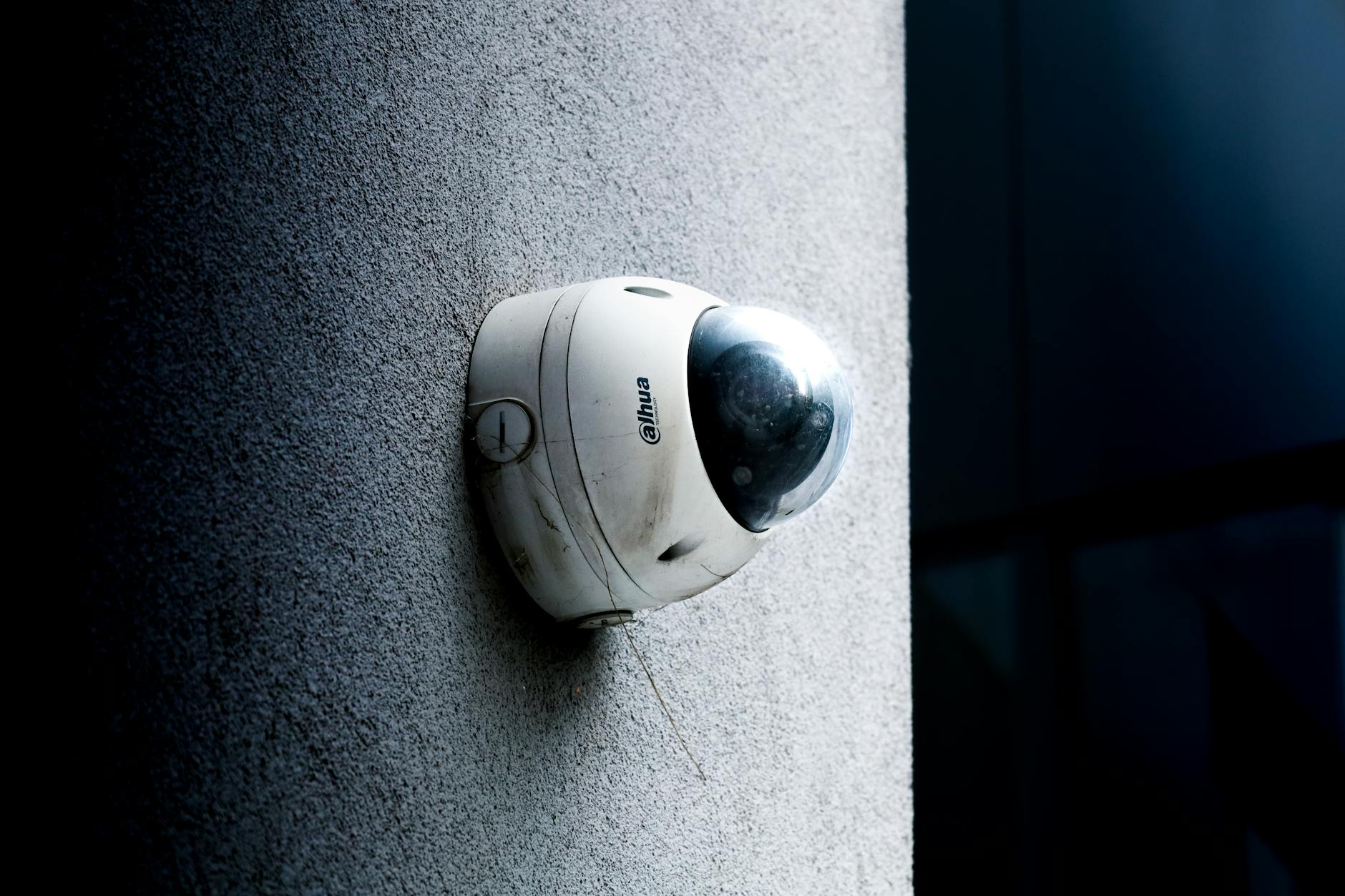
Security camera projects go wrong in predictable ways. The cameras get selected by a security contractor who doesn't understand networking. The IT team inherits a system they didn't design. The network wasn't sized for the camera load. Three months later, the footage is unusable during the one incident where it actually matters.
This doesn't have to happen. Here's what Cincinnati businesses need to know about avoiding the most common camera project mistakes.
Mistake #1: Treating the Camera Project as Separate from IT
IP cameras are network devices. They consume bandwidth, need IP addresses, require firmware updates, and should be isolated from your business network for security reasons. When a security alarm company or low-voltage contractor installs cameras without involving IT, you typically end up with:
- Cameras on the same network as workstations (a security risk)
- Network switches that weren't sized for the additional load
- No documentation of what's installed or how it's configured
- Firmware that never gets updated
- Cloud access configured without firewall review
The right approach involves IT from the start — designing the network infrastructure before cameras are selected, not after.
Mistake #2: Buying on Price Instead of Fit
There's a wide range of camera quality on the market. Low-cost cameras from Amazon or big-box stores may look adequate during the sales demo but fail on resolution, low-light performance, or durability when you actually need them.
For business applications in Cincinnati, the cameras worth serious consideration:
Avigilon Unity / Avigilon Alta — Motorola-owned enterprise platform with excellent AI analytics. Avigilon Alta is cloud-managed and works well for businesses with multiple locations or limited on-site IT resources.
Axis cameras — The benchmark for commercial IP cameras. Wide product range from basic indoor cameras to PTZ units and specialty cameras for harsh environments.
UniFi Protect — Excellent value for businesses already running UniFi networking. Integrated management, good image quality, and a straightforward cloud remote access option.
Mistake #3: Undersizing Storage
Calculate your storage requirements before purchasing NVR or NAS equipment. The formula involves camera count, resolution, frame rate, compression type, and retention period. Most businesses underestimate this and either run out of storage or automatically overwrite footage before a reported incident comes to light.
A 10-camera system at 1080p, recording 24/7 with H.265 compression and 30-day retention, needs roughly 4-5TB of dedicated storage. At 4K, double that. Building in 50% headroom for future camera additions saves a painful upgrade cycle.
Mistake #4: Ignoring the Lighting Environment
Day/night cameras that look great in the sales video often produce useless footage in your specific environment. Cincinnati parking lots, warehouse loading docks, and poorly lit back corridors require cameras rated for true low-light performance — not just standard IR cameras that produce grainy, low-contrast images.
Axis cameras have excellent low-light specifications across their product line. Avigilon's newer cameras include LightCatcher technology specifically designed for low-light environments. Get a demo in your actual environment before committing to a system.
Mistake #5: No Maintenance Plan
Camera systems aren't install-and-forget. Lenses collect dust, IR illuminators fail, software needs updates, and positioning needs to be verified after any construction or landscaping changes. Without a maintenance plan, you'll discover problems when you need footage — not before.
Titan Tech includes camera system maintenance in managed IT agreements. Firmware updates, system health checks, and annual coverage reviews are all part of the service — so your system is ready when you need it.
Getting It Right from the Start
The best camera projects start with a site assessment: walking the property with both a camera technician and a network engineer, documenting coverage requirements, identifying cabling pathways, and designing the network infrastructure before selecting hardware.
Titan Tech handles the full scope — network design, low-voltage cabling, camera installation, NVR or cloud storage configuration, and integration with access control systems. We serve Cincinnati, Blue Ash, Norwood, West Chester, Mason, and the surrounding area.
If you're planning a new camera system or replacing an aging one, contact us for a free site assessment.