
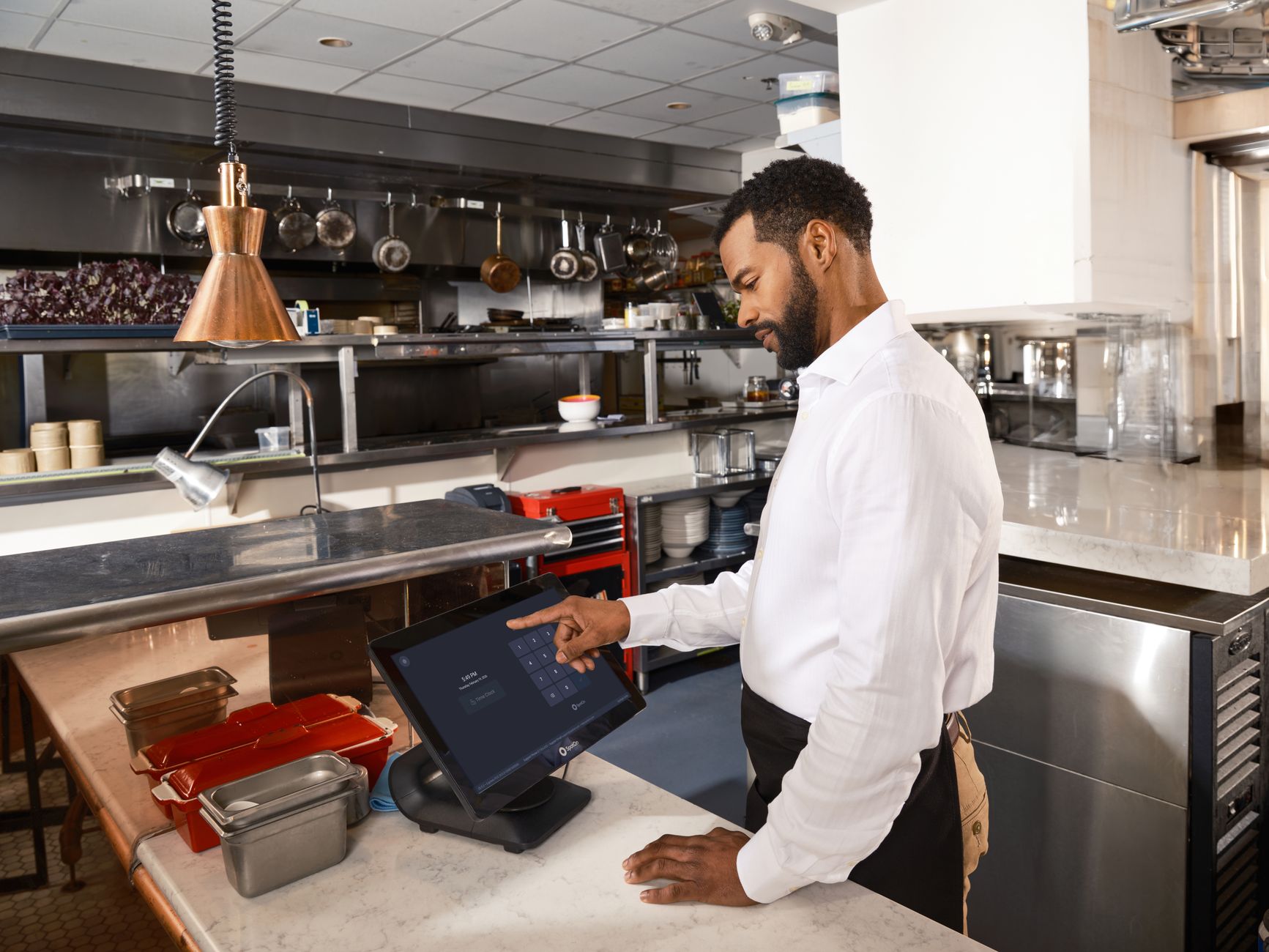
A restaurant group running four locations along the Mason-Montgomery corridor doesn't think of itself as holding sensitive data, but its point-of-sale system processes more card transactions in a weekend than most retailers see in a month, and its walk-in cooler sensors, kitchen display systems, and guest Wi-Fi typically all sit on the same network as that POS terminal. Food and beverage cybersecurity in Mason, Ohio rarely makes anyone's priority list until a card processor flags unusual chargebacks or a health inspector asks how traceability records are actually stored, and by then the gap has usually been open for years.
The industry's specific exposure comes from how many systems touch payment data and how little segmentation most operators have between them. A POS terminal, a third-party delivery integration, a loyalty app, and the guest Wi-Fi customers use while waiting for a table frequently ride the same flat network as the back-office computer running payroll and vendor payments. That's precisely the setup PCI DSS was written to prevent, and it's also the setup that turns one compromised tablet at the host stand into a path toward the register system and the accounting records behind it.
PCI Compliance Isn't Optional, Even for a Single Location
Card brands require PCI DSS compliance regardless of restaurant size, and processors have gotten more aggressive about auditing merchants after a breach rather than before one. Segmenting the cardholder data environment — the POS network — from guest Wi-Fi, kitchen display systems, and administrative traffic is the baseline requirement most Mason-area operators haven't actually implemented, even when they believe they have. Proper wireless networking design, with separate VLANs for payment processing, guest access, and back-of-house systems, is what actually satisfies that requirement instead of just checking a box on a self-assessment questionnaire.
FSMA Traceability Records Are a Data Problem Now
Food producers and multi-unit operators subject to FSMA traceability rules are now expected to maintain electronic records that can be produced within 24 hours of a recall request — lot codes, supplier data, and shipping records that increasingly live in cloud-connected inventory systems rather than paper logs. If those records sit on the same unpatched server as everything else, or if backups haven't been tested, a ransomware event doesn't just stop the kitchen — it puts a business out of compliance with federal traceability requirements at the worst possible moment. Backup and disaster recovery built on Veeam, with restores actually verified rather than assumed, is what keeps a bad week from becoming a recall-readiness failure on top of an operational one.
Business Email Compromise Hits the Vendor Relationship
Food and beverage operators run on tight vendor relationships — produce distributors, linen services, equipment leasing companies — and that repetitive invoice-and-payment cycle is exactly what wire fraud schemes exploit. A spoofed email requesting an updated ACH routing number from a "vendor," timed around a routine invoice cycle, doesn't need to breach a firewall; it just needs one accounts-payable clerk to not double-check a phone number. Multi-factor authentication enforced across every account, along with a properly configured Microsoft 365 environment using conditional access policies, closes off the cheapest version of this attack before it reaches the AP inbox.
Endpoint and Network Monitoring Catch What Policy Alone Can't
Kitchen tablets, handheld ordering devices, and back-office workstations are frequently the least-maintained machines on a restaurant network, running outdated software because nobody wants to interrupt service to patch during a dinner rush. SentinelOne EDR and Huntress MDR catch the credential theft and lateral movement that typically precedes a card-data breach or ransomware event, and pairing that with real managed security services means someone is actually reviewing alerts instead of assuming the software handles everything unattended.
Physical Security Still Matters Behind the Line
Walk-in coolers, dry storage, and loading docks are common points for inventory shrinkage and after-hours access issues, and the security systems installed to address it are often disconnected from broader IT oversight — a DVR nobody has logged into since the install, or a door code that's been the same since the location opened. Modern video surveillance and access control give ownership groups remote visibility and auditable entry logs across multiple locations from a single dashboard, closing the same operational gap that networked payment systems are meant to close on the data side.
Mason's restaurant and food production scene competes on turnaround, consistency, and trust as much as on menu — and a card-data breach or a failed recall response undercuts all three fast. If your POS network hasn't been segmented from guest Wi-Fi, or nobody can say with confidence how a ransomware event would affect traceability records, contact Titan Tech for an assessment built around how a food and beverage operation actually runs.