
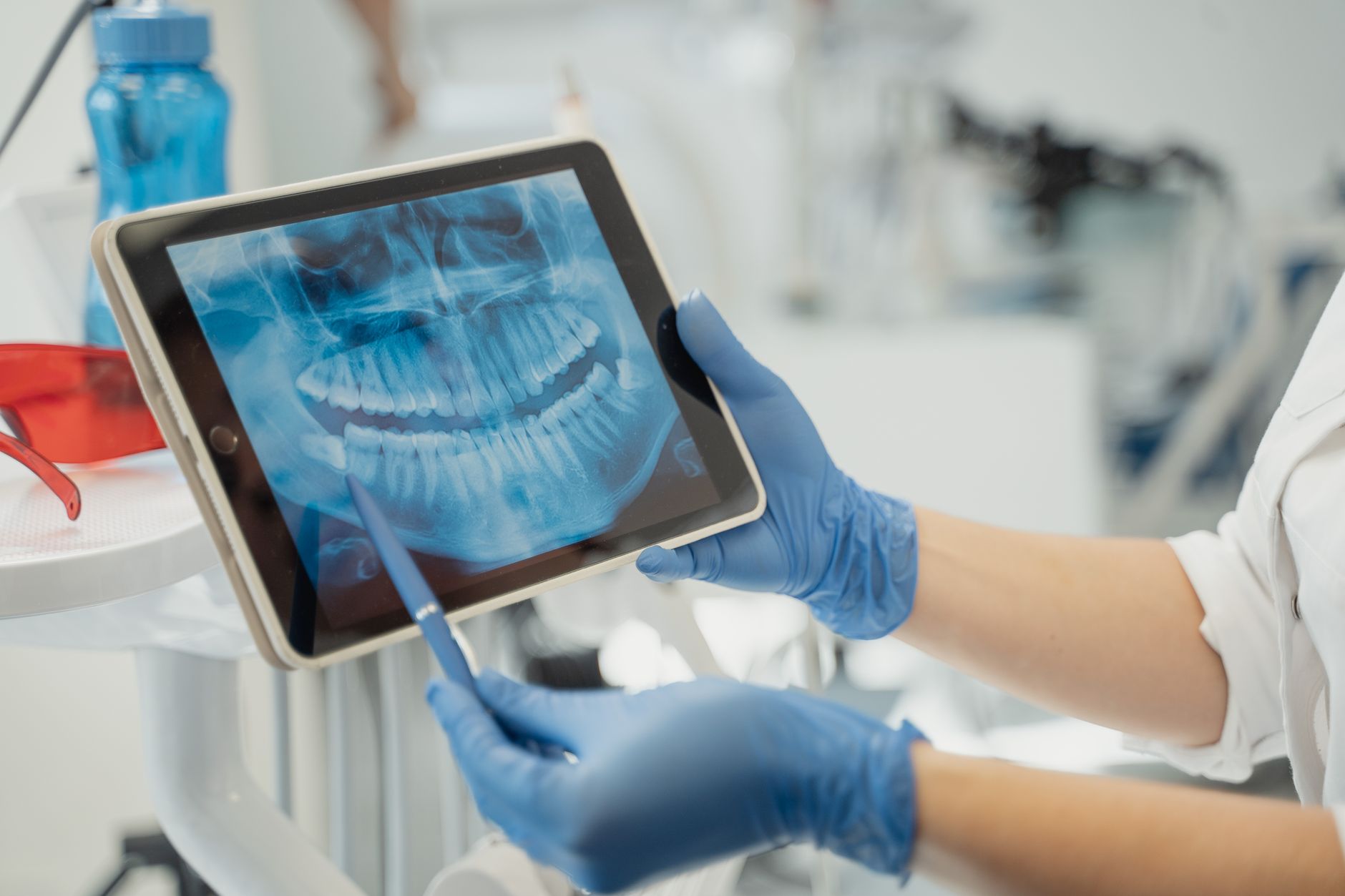
A dental office in Wyoming, Ohio runs on more networked equipment than most patients realize: digital X-ray sensors, intraoral cameras, CBCT scanners, the front-desk workstation running Dentrix or Eaglesoft, and often a guest Wi-Fi network for the waiting room. HIPAA compliance for dental practices in Wyoming, Ohio hinges on whether those systems are actually segmented from each other — and in our experience auditing local practices, most aren't. When a receptionist's laptop, the imaging server, and the patient guest network all sit on the same flat subnet, a single compromised device gives an attacker a path to protected health information stored in the practice management system.
This isn't a hypothetical. Ransomware groups have specifically targeted dental practice management software because it's a predictable, high-value target: PHI, insurance billing data, and payment information in one place, often protected by nothing more than a consumer-grade router and whatever antivirus came pre-installed on the front-desk PC. Practices running Dentrix, Eaglesoft, or OpenDental store treatment plans, X-rays, and insurance claim data that qualify as electronic PHI under the HIPAA Security Rule — and the Office for Civil Rights has made clear that "we didn't know our imaging network was exposed" is not a defense during a breach investigation.
The Flat Network Problem
Most small dental offices we assess in Hamilton County were wired by whoever installed the phone system a decade ago, with every device — imaging equipment, practice management server, staff workstations, and guest Wi-Fi — plugged into the same switch with no VLANs. That means a phishing email opened on the scheduling coordinator's machine can move laterally to the server holding every patient chart in the building. Proper wireless network segmentation and structured cabling design isolate clinical systems from guest and administrative traffic — a basic control that's cheap relative to what a breach costs.
Backup Gaps That Turn a Ransomware Event into a Closure
We routinely find practices whose "backup" is a USB drive that hasn't been tested since it was plugged in. If Dentrix or Eaglesoft's database gets encrypted and the last verified restore point is six months old, the practice isn't looking at a bad week — it's looking at rebuilding patient records from paper charts and insurance correspondence. Veeam-based backup and disaster recovery with regular restore testing is the difference between a contained incident and a practice that can't see patients for two weeks.
Endpoint Detection, Not Just Antivirus
Consumer antivirus doesn't catch the credential-stuffing and living-off-the-land techniques that precede most ransomware deployments today. Practices we've moved onto SentinelOne EDR paired with Huntress MDR get 24/7 monitoring that flags suspicious behavior on the imaging workstation or the front-desk PC before it reaches the practice management database — not after. Combined with centralized logging through SIEM and managed detection, a practice gets visibility it simply doesn't have with a firewall alone.
Email Is Still the Front Door
Business email compromise targeting dental offices usually shows up as a fake invoice from a supply vendor or a "updated payment info" message pretending to be from an insurance payer. Locking down Microsoft 365 with conditional access and multi-factor authentication closes the most common entry point we see exploited in real incidents — well before anyone touches the network itself.
What an OCR Audit Actually Looks For
If a breach is reported, HHS's Office for Civil Rights doesn't just ask whether PHI was encrypted — it asks for a documented risk analysis, evidence of access controls, and proof that the practice knew where its ePHI lived and who could reach it. Practices without a current risk assessment or a written security policy are exposed regardless of what technology they've bought. Aligning day-to-day IT operations with HIPAA compliance requirements means documentation as much as infrastructure — something a generalist IT contractor rarely builds into their engagement.
Titan Tech works with dental practices across the Cincinnati region, including Wyoming, to segment clinical networks, deploy tested backup, and close the compliance gaps that show up during an OCR investigation — before they show up. Managed IT services built around a dental office's actual equipment and workflow, not a generic template, is what keeps a bad week from becoming a bad year. Contact Titan Tech to schedule a network and compliance assessment for your practice.