
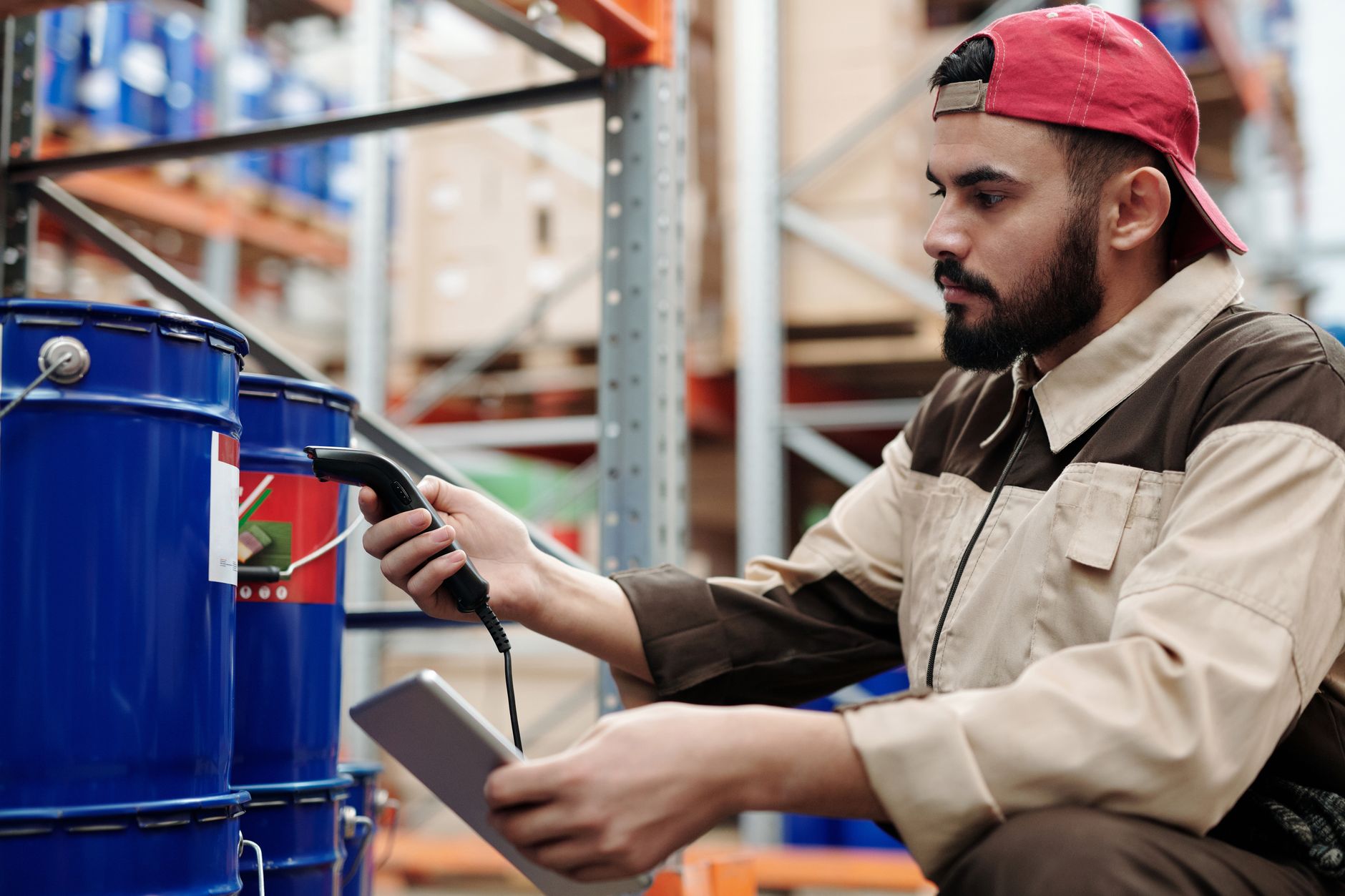
Blue Ash logistics cybersecurity often breaks down at the least glamorous point in the operation: the shared scanner, dispatch terminal, or shipping-station PC that everyone can use but nobody truly owns. These devices sit inside workflows that release freight, print labels, update transportation and fleet management platforms, and expose customer or carrier data. When a single login follows the device across shifts, an incident may show what happened without showing who did it.
Shared devices erase the evidence operations teams need
A warehouse may have named accounts for office employees while relying on a generic “shipping” login for handhelds and packing stations. That shortcut creates three problems. Permissions accumulate because removing one worker cannot disrupt the rest of the shift. Suspicious activity becomes hard to attribute. And a stolen password can look like normal work because the same account is expected from multiple devices and locations.
The practical fix is not to force a full desktop sign-in every time someone scans a pallet. Identity has to match the pace of the floor. Badge-based sign-in, short PINs tied to named users, role-based access, and automatic session timeouts can preserve accountability without stopping throughput. Supervisors should have separate elevated accounts rather than using the same identity for routine scanning and exception handling.
The wireless network is part of the production line
Scanner reliability depends on more than access-point signal strength. Roaming behavior, DHCP, DNS, authentication, switch uplinks, print services, and the path to the transportation management system all affect whether a dock keeps moving. A scanner that repeatedly drops its session can lead workers to bypass controls, share credentials, or move transactions to an unmanaged personal device.
A sound design separates handhelds, office systems, guest devices, cameras, printers, and building controls by function. Firewall rules should allow only the traffic each zone needs. Warehouse coverage should be validated with an active survey during operating conditions, not judged from an empty-building heat map. Titan Tech’s wireless networking work treats roaming, interference, cabling, switching, and application paths as one operational system rather than isolated components.
Monitoring must extend beyond conventional endpoints
Windows dispatch stations and supported mobile devices should run managed endpoint protection where practical. SentinelOne EDR can identify suspicious behavior on endpoints, while Huntress MDR provides human review and escalation. But many rugged scanners run locked-down or specialized operating systems that cannot support a standard security agent. Those devices still need visibility.
Authentication logs, wireless-controller events, firewall traffic, switch activity, and transportation-platform audit records should feed a SIEM with enough context to distinguish a failed roam from credential misuse. Alerts also need a named owner and a response path that accounts for warehouse hours. A midnight alert is not useful if nobody knows whether to isolate a device, disable an identity, or call the floor supervisor. A mature managed cybersecurity program defines those decisions before the alert arrives.
Recovery has to restore the dispatch workflow, not just data
A backup report showing green check marks does not prove the dock can ship. Recovery may require the transportation or fleet management database, identity services, label templates, print queues, integration credentials, file shares, DNS, and working network routes. If those dependencies return in the wrong order, the data may be intact while dispatch remains offline.
Veeam can provide durable backup and recovery capability for supported servers and workloads, but testing should follow an actual transaction. Restore the necessary systems in an isolated environment, sign in as a dispatcher, retrieve an order, update its status, and produce the shipping document or label. Record the recovery order, elapsed time, missing dependencies, and the person authorized to make the cutover decision.
Set an operating standard for every shift
The control set should be concrete: every worker has an attributable identity; shared-device access expires automatically; supervisors use separate privileged accounts; warehouse, office, guest, camera, and building networks are segmented; supported endpoints are monitored; unsupported devices are visible through network and identity telemetry; and recovery tests prove that dispatch can complete a transaction. Offboarding should disable access the same day and recover assigned badges, scanners, tokens, and keys.
These controls work best when one team owns the dependency map, account lifecycle, alert response, firmware schedule, wireless baselines, and recovery tests. Titan Tech’s managed IT services give logistics operators a single operating model for those responsibilities instead of leaving them divided among a software vendor, a cabling contractor, and whoever last configured the firewall.
If your Blue Ash logistics operation cannot tie scanner activity to a person or prove that dispatch can recover after an outage, contact Titan Tech to assess the identity, network, monitoring, and recovery gaps.