
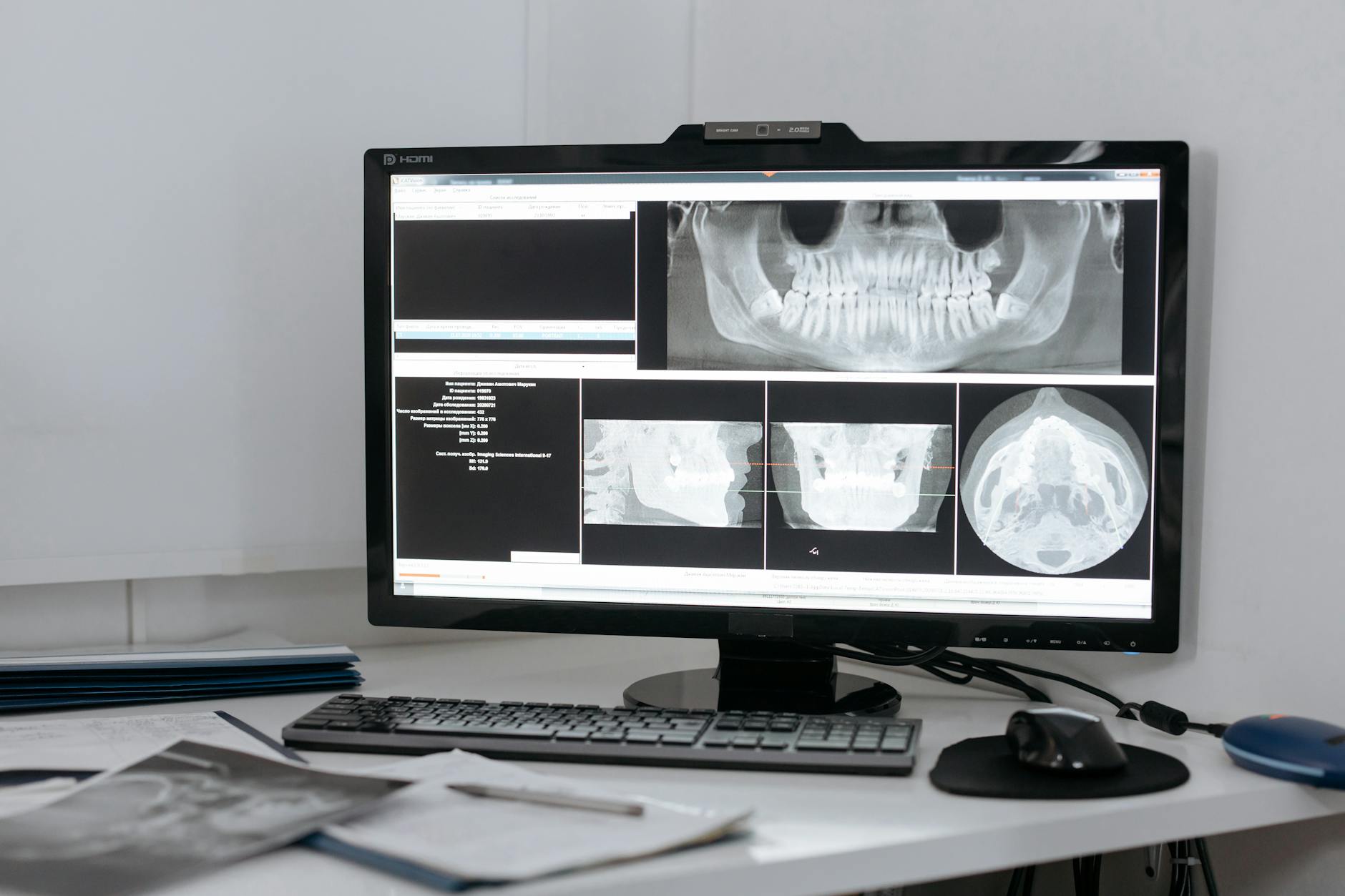
Dental practices in Blue Ash, Ohio are sitting on one of the highest-value targets in the region's small-business healthcare ecosystem — and most of them don't know it. The combination of HIPAA-regulated patient data, legacy Windows workstations running practice management software like Dentrix and Eaglesoft, and lean IT support creates exactly the attack profile that ransomware operators profile for. Blue Ash dental cybersecurity isn't a checkbox exercise; it's an operational reality that determines whether your practice can open its doors on Monday morning.
The Software Problem Nobody Is Talking About
Dentrix, Eaglesoft, and similar platforms were built to manage patient records, billing, and scheduling — not to resist lateral movement in a compromised network. When a workstation at the front desk gets a phishing email and the user clicks, what happens next depends entirely on how your network is segmented. In most practices we see, the answer is: nothing slows it down.
Practice management software typically requires shared network paths, legacy SMB shares, and local admin permissions to function correctly. Those same properties are what ransomware uses to move from a receptionist's computer to the server holding five years of radiographs and patient records in under four minutes. The software isn't broken — it was designed for an era before credential-stuffing attacks and automated lateral movement were the baseline threat model.
The risk compounds when you factor in vendor-managed remote access. Many dental software vendors maintain their own remote desktop or VPN connections into practice networks for support and billing integrations. These connections often use static credentials, lack MFA, and are rarely audited. One compromised vendor account is enough to own your entire practice network.
What HIPAA Actually Requires — and What Most Practices Miss
HIPAA's Security Rule doesn't dictate specific technical controls, but it does mandate a formal risk analysis, documented policies, and reasonable safeguards proportionate to identified risks. The operative word is "reasonable," and OCR enforcement actions in recent years have clarified that "reasonable" for a practice with 3,000 patients and networked imaging equipment includes more than a firewall and antivirus.
Specifically, practices are expected to have: access controls that limit which systems can communicate with each other, audit logs showing who accessed what ePHI and when, and encryption for ePHI at rest and in transit. The average dental office running an on-premises Dentrix installation fails on at least two of those three counts.
The enforcement gap isn't ignorance — most dentists understand they have compliance obligations. It's execution. Without a managed IT partner who understands both the clinical software environment and the security requirements, practices fall back on "we have antivirus and backups" as their entire posture.
The Network Architecture Fix
The single highest-impact change for most Blue Ash dental practices is network segmentation. Clinical workstations running imaging software and practice management platforms should live on a separate VLAN from administrative systems, and both should be isolated from guest Wi-Fi and any vendor-managed access points. This isn't complex — it's a firewall rule set and a properly configured UniFi or similar switching environment — but it requires someone to actually implement and maintain it.
Pair that with a next-generation endpoint protection platform like SentinelOne, which uses behavioral AI rather than signature matching. Legacy antivirus misses ransomware variants routinely because the payload changes faster than signature databases update. Behavioral detection catches the encryption behavior regardless of what the malware is called. Titan Tech deploys SentinelOne across all managed endpoints as part of our managed cybersecurity services, with 24/7 monitoring through Huntress MDR to catch threats that endpoint tools flag but that still require human review.
Backup Isn't a Recovery Strategy Without Testing
Most dental practices have some form of backup — often a NAS device or an aging tape rotation that nobody has tested in two years. When ransomware hits and encrypts everything including the backup share (because the backup agent uses the same domain credentials as everything else), "we have backups" turns into a painful conversation about whether to pay the ransom.
A defensible backup strategy for a dental practice includes immutable off-site copies, tested restoration procedures, and RTO/RPO objectives that are actually written down. Titan Tech's backup and disaster recovery platform uses Veeam with air-gapped cloud targets, and we run quarterly restoration tests on every client so we know before an incident whether the backup actually works.
Microsoft 365 and the Email Attack Surface
Phishing remains the primary ransomware delivery mechanism, and dental practices are not exempt from targeted campaigns. Attackers scrape practice websites for staff email addresses, craft convincing billing or insurance correspondence, and wait for a click. Basic email hardening — enforced MFA on every Microsoft 365 account, Defender for Office 365, and Conditional Access policies that block sign-ins from unexpected geographies — closes the most common entry points. Titan Tech's Microsoft 365 management service includes full security baseline configuration and ongoing policy enforcement so these controls don't quietly drift out of compliance.
The Business Case Is Straightforward
A ransomware incident at a dental practice typically results in 3–10 days of downtime, recovery costs ranging from $15,000 to $150,000 depending on the response path taken, and mandatory HIPAA breach notification if any ePHI was accessed. Cyber insurance premiums have also escalated sharply for practices that can't demonstrate basic security controls at renewal. The cost of comprehensive managed security for a practice with 8–15 workstations is a fraction of a single incident.
If your Blue Ash dental practice hasn't had a formal security assessment in the last 18 months — or if your IT support is still reactive rather than proactive — contact Titan Tech for a no-obligation assessment. We work with dental practices across the Cincinnati area and understand the specific constraints of clinical environments, including what Dentrix and Eaglesoft actually require to run securely.